
Medical Library

Motion Sickness
– Conflicting signals between the inner ear, eyes, and body during movement
– Traveling by car, boat, plane, or train
– Watching moving objects or screens while stationary

Insomnia
– Stress and anxiety
– Poor sleep habits or environment
– Medical conditions (e.g., pain, asthma)
– Certain medications or caffeine
– Depression or mental health issues
– Irregular sleep schedule
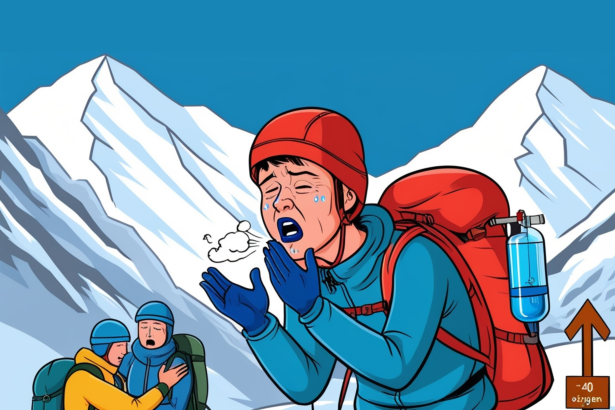
Hypoxia
– High altitudes with low oxygen levels
– Respiratory diseases (e.g., asthma, COPD, pneumonia)
– Heart problems reducing oxygen delivery
– Carbon monoxide poisoning
– Severe anemia

Snow Blindness
– Prolonged exposure to bright sunlight on snowy surfaces
– Lack of proper eye protection like sunglasses or goggles

Coronary Artery Disease (CAD)
– Atherosclerosis (fatty deposits in artery walls)
– High cholesterol levels
– High blood pressure
– Smoking
– Diabetes
– Sedentary lifestyle

High Altitude Cerebral Edema (HACE)
– Rapid climb to elevations above 2,500 meters (8,200 feet)
– Insufficient acclimatization
– Pre-existing altitude sickness or Acute Mountain Sickness (AMS)

High Altitude Pulmonary Edema (HAPE)
– Rapid climb above 2,500 meters (8,200 feet) without proper acclimatization
– Physical exertion at high altitude
– Pre-existing altitude sickness

Tetanus
– Contamination of wounds or cuts with soil, dust, or animal feces
– Puncture wounds, burns, or injuries with rusty or dirty objects
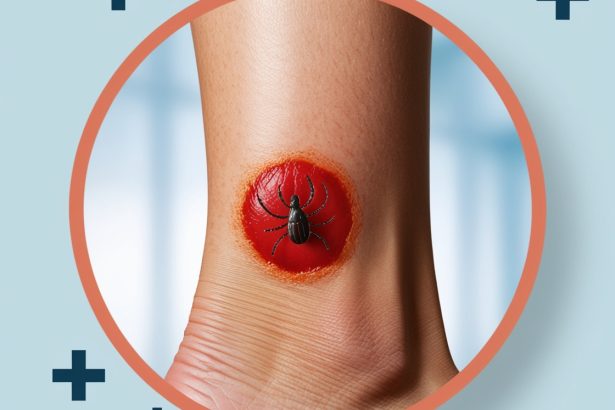
Lyme Disease
– Bite from infected black-legged ticks (deer ticks)
– Exposure in wooded or grassy areas where ticks live

Sprains & Strains
– Sudden twists, falls, or impacts
– Overuse or repetitive movements
– Lifting heavy objects improperly