
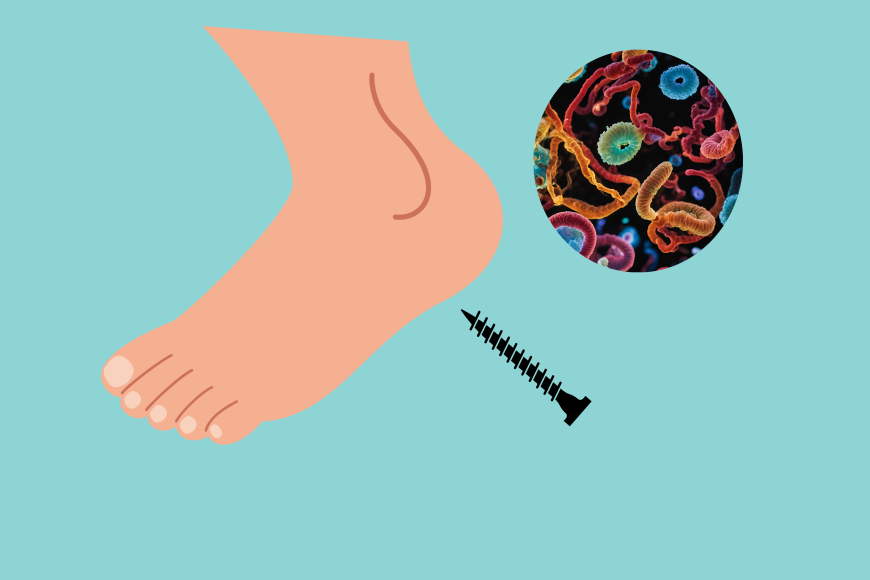
Tetanus is a serious bacterial infection caused by Clostridium tetani, a spore-forming bacterium commonly found in soil, dust, and animal feces. The bacteria produce a potent neurotoxin known as tetanospasmin, which affects the nervous system and leads to severe muscle contractions.
Symptoms
The symptoms of tetanus can be divided into early and severe stages:
Early Symptoms
- Jaw Stiffness (Lockjaw): One of the first signs, leading to difficulty opening the mouth.
- Muscle Stiffness: Initial stiffness typically occurs in the neck and abdomen.
- Difficulty Swallowing: Patients may have trouble swallowing due to muscle stiffness.
Severe Symptoms
- Painful Muscle Spasms: Muscle spasms can be severe and may affect the back, neck, and abdomen.
- Opisthotonos: A condition where the back arches due to muscle contractions.
- Autonomic Nervous System Dysfunction: This may lead to abnormal heart rates, sweating, and fluctuations in blood pressure.
- Seizures: Severe cases can lead to seizure-like activity due to the intense muscle contractions.
Prevention
- Vaccination
- The DTaP (diphtheria, tetanus, pertussis) vaccine is administered to children in a series of doses, typically starting at 2 months of age.
- Wound Care
- Immediate and proper cleaning of wounds can significantly reduce the risk of infection. If the wound is deep or contaminated, a healthcare provider should evaluate it.
Treatment
- Wound Care: Thorough cleaning and debridement of the wound to remove any dirt and dead tissue.
- Tetanus Immune Globulin (TIG): Administering TIG helps neutralize the toxin and provides passive immunity.
- Antibiotics: Medications like metronidazole or penicillin are given to eliminate the bacteria from the body.
- Muscle Relaxants: To manage painful muscle spasms, medications such as benzodiazepines may be used.
- Supportive Care: Hospitalization may be required for monitoring, especially if respiratory muscles are affected. Patients may need respiratory support if they have difficulty breathing.
People who might get Tetanus
- Unvaccinated Individuals: Those without DTaP or Tdap vaccinations.
- Incomplete Vaccination History: Adults overdue for booster shots.
- Outdoor Workers and Farmers: Exposure to soil and potential injuries.
- Construction Workers: Frequent handling of tools that may cause cuts.
- Children: Especially those who haven’t completed their vaccination series.
- Individuals with Chronic Wounds: Those with skin conditions or compromised immune systems.
- Intravenous Drug Users: Risk from non-sterile needles.
Key Point
Individuals at higher risk for tetanus include unvaccinated individuals and those with an incomplete vaccination history, such as adults overdue for booster shots. Outdoor workers and farmers, as well as construction workers, face increased exposure to soil and potential injuries. Children, especially those who haven’t completed their vaccination series, and elderly individuals with diminished immunity are also at risk. Additionally, people with chronic wounds, intravenous drug users, and individuals engaging in risky activities are more susceptible to infection. Preventive measures include staying up to date with DTaP and Tdap vaccinations and promptly caring for any wounds.