It is with profound reverence that I pay homage to the late Mr. Wongchu Sherpa, a visionary
whose boundless compassion continues to illuminate the remotest corners of our nation. To
have served in an institution that bears his name and perpetuates his legacy has been the
singular privilege of my professional life.
I am Dr. Gyaltsen Gurung, born in the sequestered fastness of Dolpo where neither school
nor clinic nor motorable road existed within weeks of walking distance. In 2001 the journey
from my village to Kathmandu required twenty days on foot—an experience that etched
indelibly upon my consciousness the fragility of life in high-altitude isolation. Destined
originally for monastic ordination, a confluence of beneficence and circumstance redirected
me towards modern medicine. Through the generosity of strangers across continents I was
able to study medicine in Pokhara and ultimately realise a vocation that had crystallised in
childhood: to return to the margins of our country and place whatever skill I possessed at the
service of those who have no other recourse.
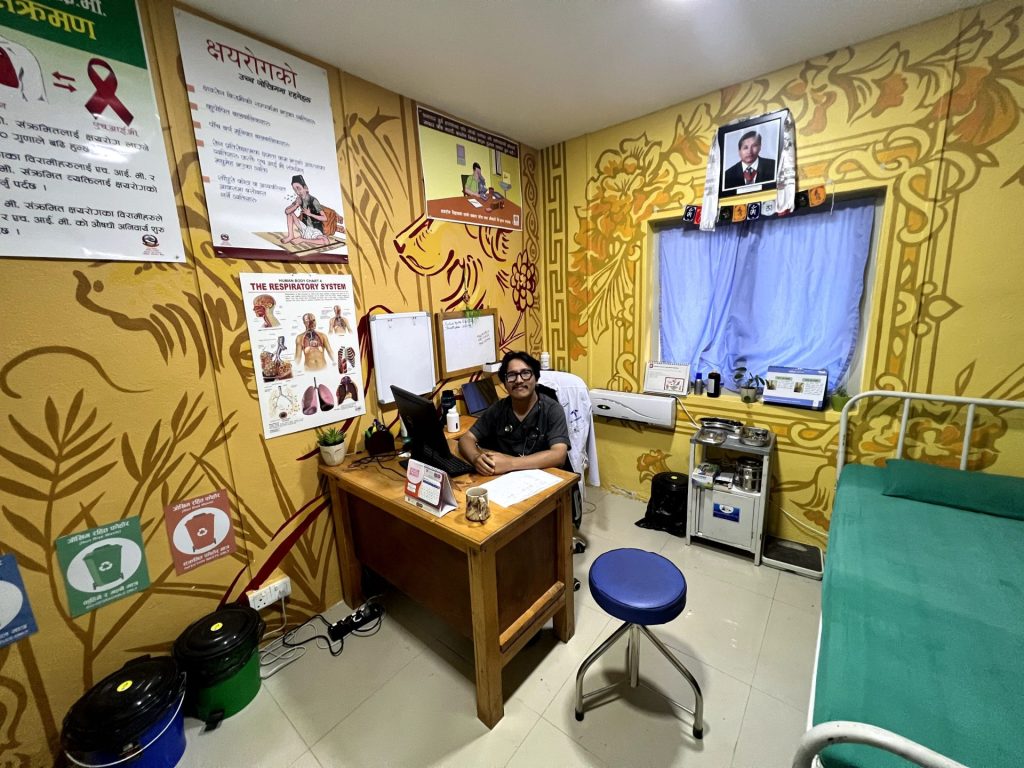
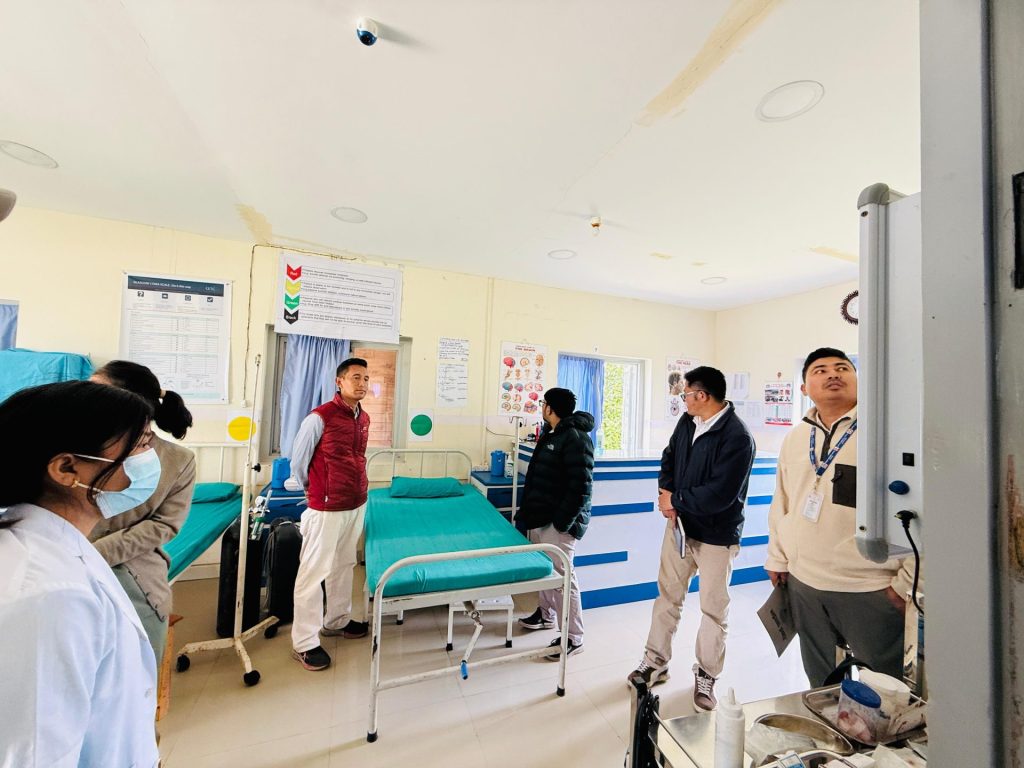
When I first arrived at Wongchhu Sherpa Memorial Hospital in Tapting, the institution was
scarcely five months old. I had envisaged an established facility; instead I discovered an
embryonic enterprise in which every protocol, record, roster, and garden bed remained to be
created. Serving concurrently as Medical Officer and In-Charge, I found myself engaged in
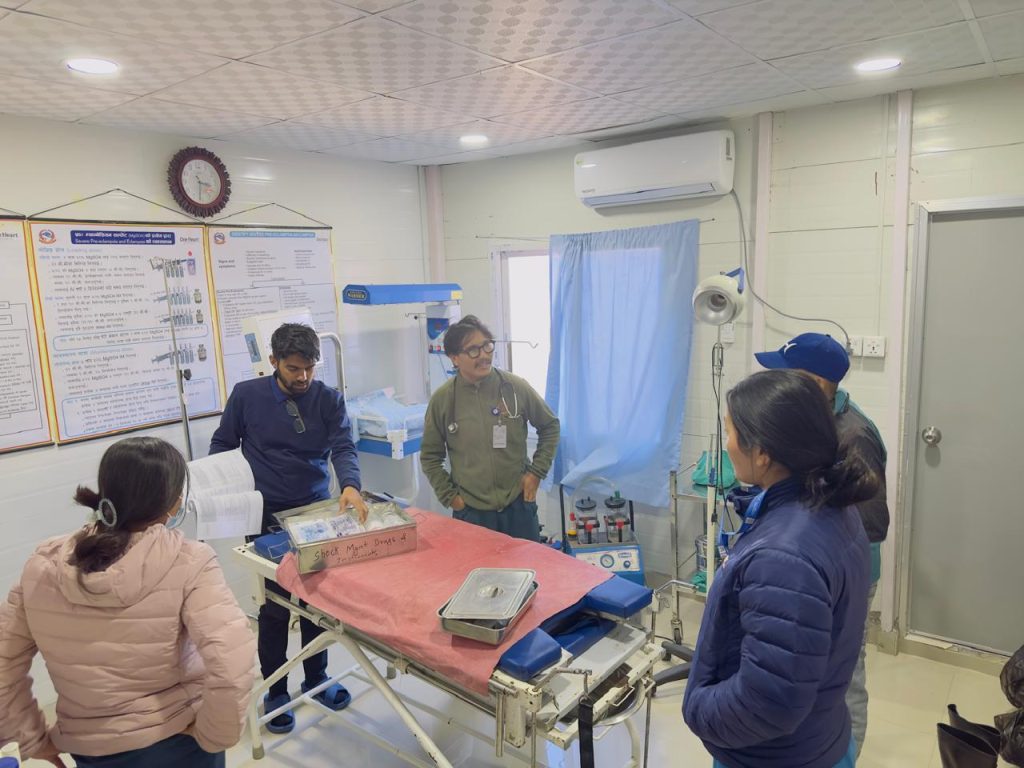
an act of simultaneous healing and institution-building. Together with a small but
extraordinarily devoted team—none more steadfast than Mr. Ashal Tamang—we forged
systems of clinical governance, financial transparency, and environmental stewardship while
never allowing the exigency of patient care to falter.
Guided by the Buddha’s teaching that loving-kindness and compassion are the highest forms
of healing, I sought to practise a medicine of presence as much as one of prescription. My
clinical decisions were never separate from the deeper conviction that true healing requires
the heart as much as the mind.
I hold an unshakable belief that every health professional is called to embody karuṇā—active
compassion—in every encounter. I strove to live this precept daily: greeting each patient with
unhurried attention, listening not only to symptoms but to the unspoken fears that accompany
them, and offering reassurance with the same gentleness I would extend to my own family.
Over the years I came to see that compassion is not merely an ethical ornament; it is a
powerful therapeutic force. It generates trust, lowers the walls of apprehension, and creates
the sacred space in which genuine healing can occur. I believe it was this quiet, consistent
practice that allowed the people of Tapting to place their full confidence in me.
Those who had traversed precipitous trails for three to four hours, often in pain or anxiety,
deserved far more than a hurried consultation. I maintained personal notebooks on complex
or unusual cases, studied late into the night when knowledge was lacking, and, days later,
would telephone patients with newly refined treatment plans or simply to ask, “How are you
feeling today?” Such gestures, though small, became threads in a tapestry of trust.
I also insisted that the hospital itself should minister to the spirit. We transformed barren
ground into a serene, verdant sanctuary—planting trees, tending flower beds, creating quiet
corners where sunlight and birdsong could reach those who were suffering. For I have always
known that while medicines address pathology, an environment of peace, beauty, and
palpable care can soothe the soul and hasten recovery.
In the end, the deepest reward was not the awards or the statistics, but the quiet knowledge
that, because compassion had been allowed to flow freely, the people of Tapting no longer
saw the hospital as an institution—they saw it as a place where they were truly seen, truly
heard, and truly loved.
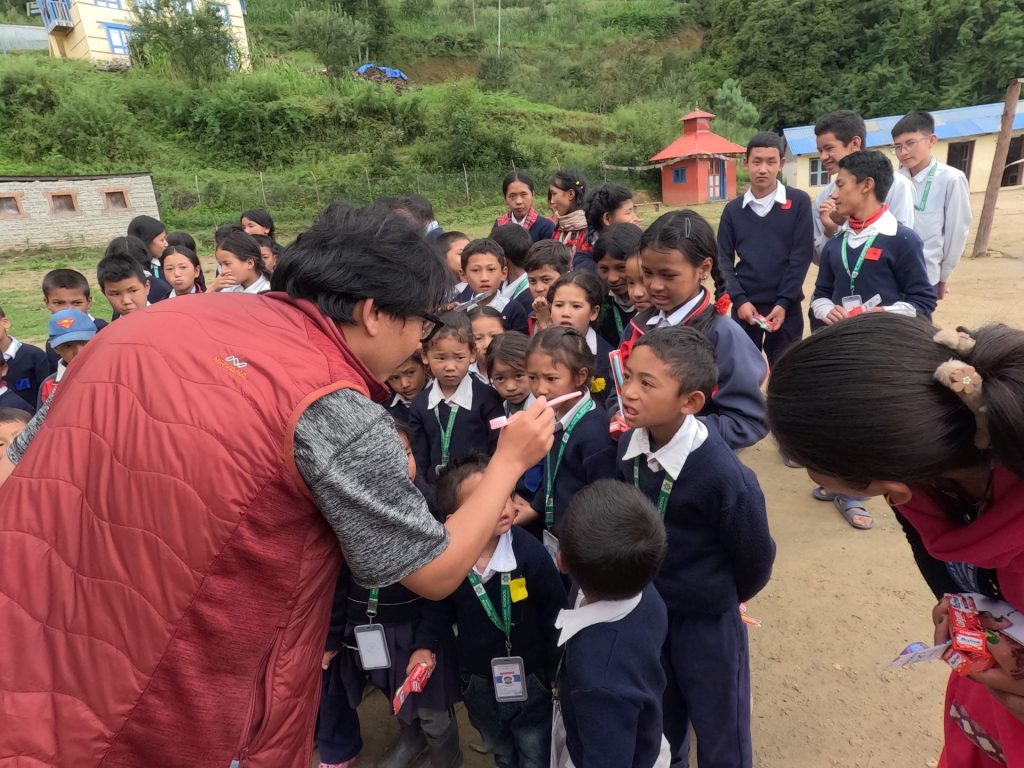
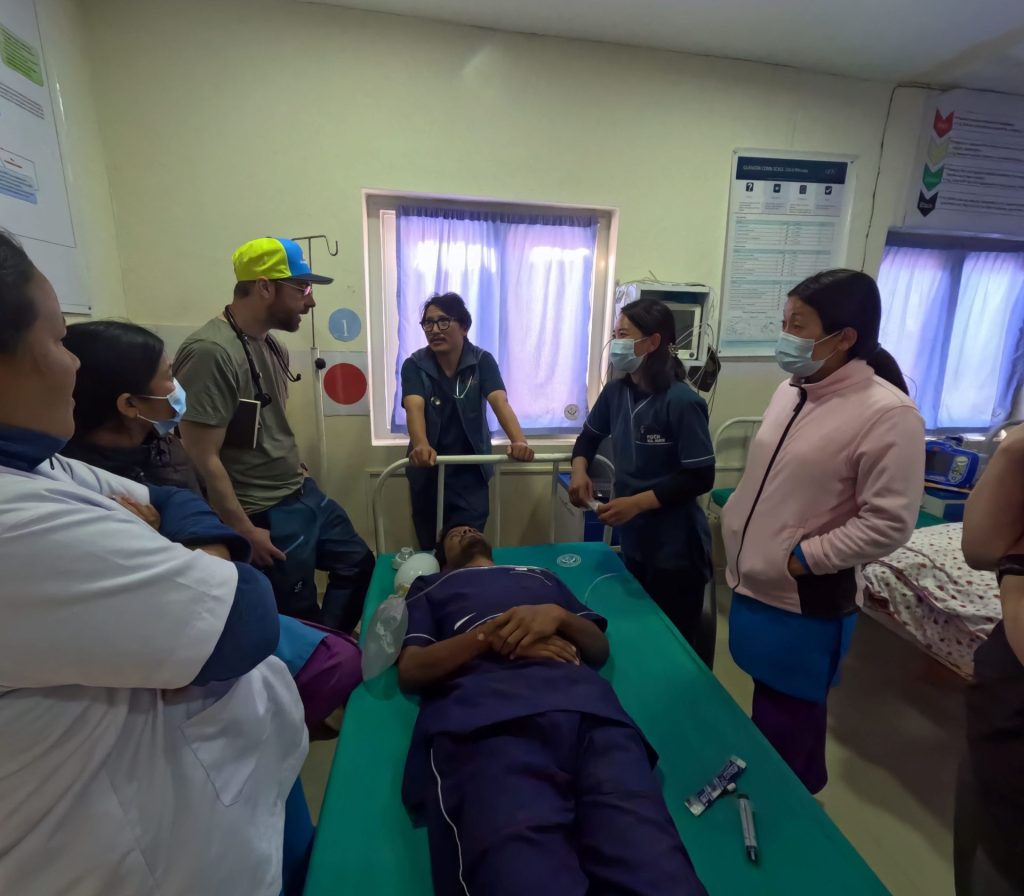
During my tenure we introduced telemedicine consultation with B.P. Koirala Institute of
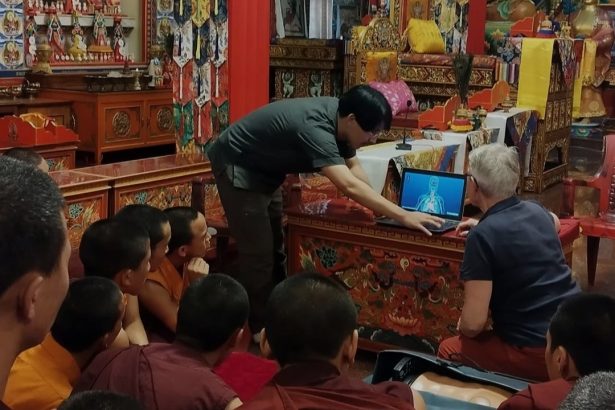
Health Sciences, hosted clinical rotations for postgraduate physicians from the United States,
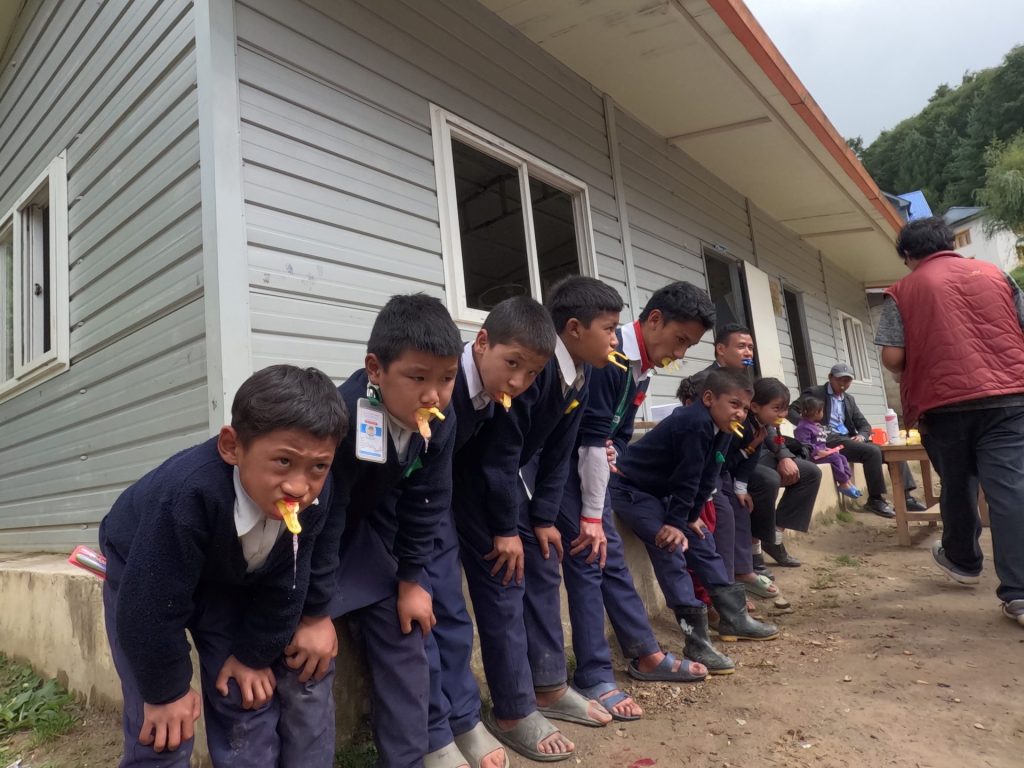
conducted comprehensive health education in seven rural schools, and achieved recognition
as an Adolescent-Friendly Health Institution. Clinically, we recorded one hundred percent
institutional delivery with zero maternal or neonatal mortality, raised our Minimum Service
Standards score from 42 % to 65 %, and received for three consecutive years the accolade of
Best Health Institution in the region. In 2025 I was deeply humbled to be named Best Health
Worker of the Year.
- Yet candour compels me to acknowledge the lacunae that still constrain our capacity to serve:
- Absence of intensive care and neonatal intensive care facilities
- Lack of mechanical ventilation and blood transfusion services
- Non-availability of dental and optometric care
- Inadequate laboratory space and waste-sterilisation infrastructure
- Severe shortage of medical personnel (an additional two Medical Officers are
- urgently required)
- Spatial and logistical limitations that impede emergency response
These are not mere administrative deficiencies; they represent the precarious margin between
survival and bereavement for the next mother in eclampsia, the next premature infant, the
next child with high-altitude pulmonary oedema.
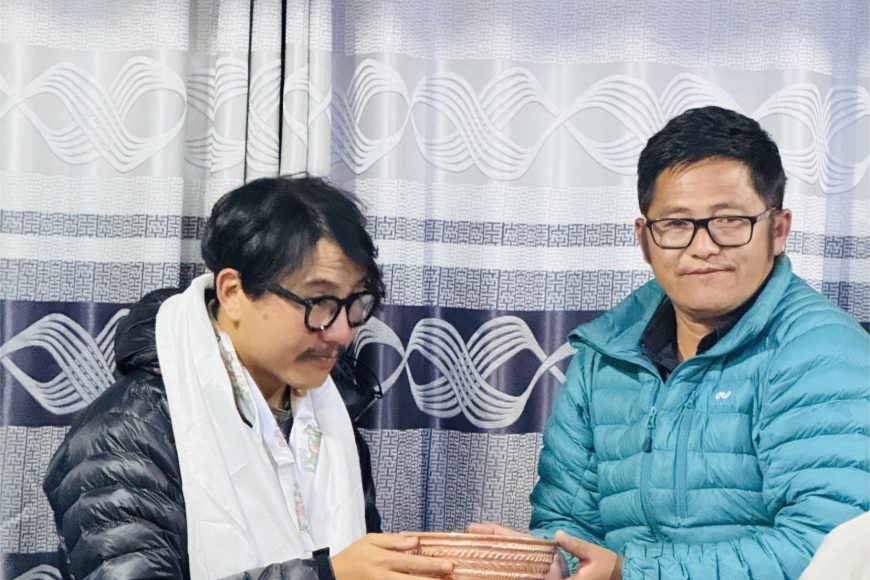
When the moment of farewell finally came, the gathering in Tapting left me speechless with
emotion. The Ward Chairman, the municipal health authorities, my devoted staff, and
hundreds of villagers gathered beneath the prayer flags, many with eyes glistening. Their
affection enveloped me in a manner far beyond any formal recognition; it was the
spontaneous outpouring of hearts that had been touched and, I dare hope, healed.
I remain particularly moved by the memory of two elderly patients, a grandfather and
grandmother who had walked long distances each month simply to collect their blood pressure medicines. When, a month before my departure, I informed them that I would soon
be leaving, they stood in silence for a moment and then wept openly. In that instant, I
understood something profound: in an age when trust between physician and patient is
increasingly rare and fragile, I had been granted the extraordinary gift of being loved and
respected not as a distant authority in a white coat, but as a member of their own family. Few
practitioners, I believe, are fortunate enough to experience such unfeigned devotion. To have
been entrusted not only with their health but with their hearts is a grace I shall carry for the
rest of my days, and for which I feel immeasurably blessed.
As I step away from daily service at Wongchhu Sherpa Memorial Hospital, I carry forward
an unshakable conviction: medicine, at its zenith, is applied compassion. The legacy of
Wongchu Sherpa lives not in brick and mortar alone but in every act of kindness performed
within these walls. I appeal to all who share his vision—individuals, foundations, and
organisations worldwide—to help us close the remaining gaps so that the next generation of
patients in Solukhumbu may receive care unconstrained by the limitations I have enumerated.
Wherever destiny now leads me, the trust reposed in me by the people of Tapting will remain
the most precious honour of my life. I shall endeavor, always, to remain worthy of it.
With deepest gratitude and enduring commitment, Dr. Gyaltsen Gurung