
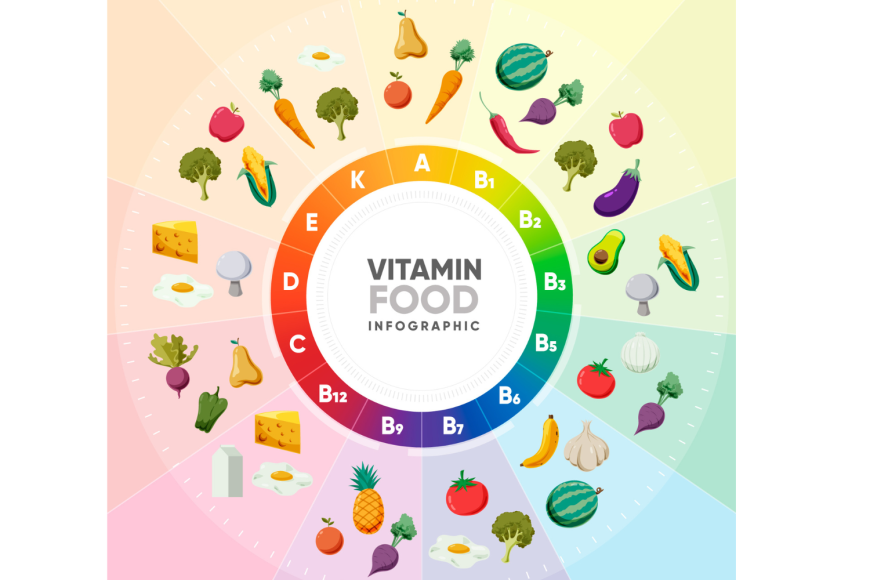
Vitamin Deficiency occurs when the body does not get enough of the essential vitamins required for normal health and functioning. This condition can lead to a range of health problems depending on which vitamin is lacking.
Common Types and Their Effects:
- Vitamin A Deficiency:
- Symptoms: Night blindness, dry skin, and increased susceptibility to infections.
- Consequences: Can lead to severe visual impairments and immune dysfunction.
- Vitamin B1 (Thiamine) Deficiency:
- Symptoms: Fatigue, irritability, and nerve damage.
- Consequences: Can cause beriberi or Wernicke-Korsakoff syndrome, affecting the nervous system.
- Vitamin B2 (Riboflavin) Deficiency:
- Symptoms: Sore throat, cracks or sores on the outsides of the lips (cheilosis) and at the corners of the mouth (angular stomatitis), and inflammation of the lining of the mouth and tongue.
- Consequences: Can lead to skin disorders, eye issues, and anemia.
- Vitamin B3 (Niacin) Deficiency:
- Symptoms: Dermatitis, diarrhea, and dementia ( the three Ds of pellagra).
- Consequences: Can cause pellagra, leading to severe skin rashes, mental confusion, and digestive problems.
- Vitamin B5 (Pantothenic Acid) Deficiency:
- Symptoms: Fatigue, irritability, digestive issues, and a burning sensation in the feet.
- Consequences: Can lead to symptoms of “burning feet syndrome,” impaired mental function, and digestive disturbances.
- Vitamin B6 (Pyridoxine) Deficiency:
- Symptoms: Anemia, skin rashes, irritability, and depression.
- Consequences: Can lead to neurological symptoms and impaired immune functions.
- Vitamin B8 (Biotin) Deficiency:
- Symptoms: Hair loss, skin rashes, and brittle nails, along with fatigue and muscle pain.
- Consequences: Can result in dermatitis, alopecia, and neurological symptoms such as depression and hallucination.
- Vitamin B9 (Folate) Deficiency:
- Symptoms: Fatigue, weakness, irritability, and glossitis (inflammation of the tongue).
- Consequences: Can lead to megaloblastic anemia, neutral tube defects during pregnancy, and complications in cell division and DNA synthesis.
- Vitamin B12 Deficiency:
- Symptoms: Fatigue, weakness, numbness, and difficulty walking.
- Consequences: Can lead to anemia and neurological issues.
- Vitamin C Deficiency:
- Symptoms: Scurvy, which included bleeding gums, joint pain, and skin issues.
- Consequences: Impaired wound healing and weakened immune function.
- Vitamin D Deficiency:
- Symptoms: Bone pain, muscle weakness, and fatigue.
- Consequences: Can lead to rickets in children and osteomalacia in adults, affecting bone health.
- Vitamin E Deficiency:
- Symptoms: Muscle weakness, vision problems, and immune system impairment.
- Consequences: Can lead to neurological issues and hemolytic anemia.
- Vitamin K Deficiency:
- Symptoms: Easy bruising, bleeding gums, and prolonged bleeding from wounds.
- Consequences: Impaired blood clotting and increased bleeding risk.
Prevention
- Balanced Diet: Consuming a variety of foods rich in essential vitamins, such as fruits, vegetables, whole grains, and lean proteins.
- Supplementation: In cases of known deficiencies or increased need, take appropriate vitamin supplements as advised by a healthcare provider.
Treatment
- Diagnosis: Blood tests and medical evaluations to determine vitamin levels and related symptoms.
- Treatment: Typically involves dietary adjustments, supplementation, and addressing any underlying conditions that might affect nutrient absorption.
People more likely to get Vitamin Deficiency
- Elderly Individuals: As people age, their ability to absorb nutrients decreases, and they might have dietary limitations or chronic health issues that affect vitamin levels. Common deficiencies in this group include vitamin B12 and vitamin D.
- Pregnant and Breastfeeding Women: During pregnancy and breastfeeding, women need higher amounts of certain vitamins, such as folic acid (vitamin B9), vitamin D, and vitamin B12.
- People with Certain Medical Conditions: Conditions like celiac disease, Crohn’s disease, or ulcerative colitis can impair nutrient absorption. Individuals with these conditions might need to monitor their vitamin levels closely.
- People with Poor Diets: A diet lacking in variety and balance can lead to deficiencies. For example, a diet high in processed foods and low in fruits, vegetables, and whole grains might result in deficiencies of several key vitamins.
- People with Alcohol Dependency: Chronic alcohol consumption can interfere with the absorption and metabolism of several vitamins, including vitamin B12 (thiamine), vitamin B12, and folate.
Key Points
Vitamin Deficiencies can lead to serious health issues, such as night blindness from Vitamin A deficiency, anemia from vitamin B12 deficiency, and bone problems from vitamin D deficiency. A balanced diet and proper supplementation are key to preventing managing these deficiencies.