
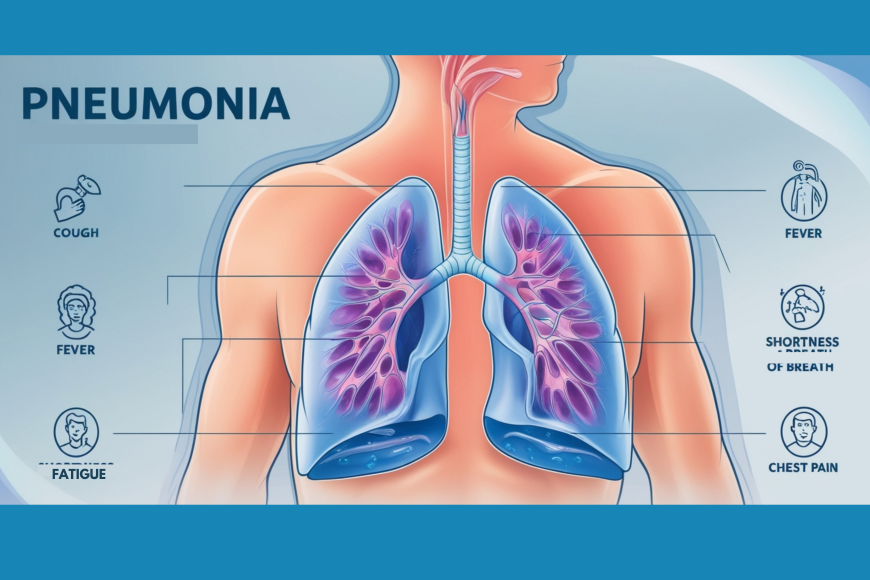
Pneumonia is a serious respiratory condition characterized by inflammation of the air sacs (alveoli) in one or both lungs. This inflammation can be caused by a variety of infectious agents, leading to the filling of the alveoli or pus. Pneumonia can significantly impair breathing and oxygen exchange, making it a potentially life-threatening condition, particularly for certain high-risk populations.
Symptoms
The symptoms of pneumonia can vary based on the causative agent and the severity of the infection, but common signs include:
- Cough: Often accompanied by phlegm or mucus production, which can be yellow, green, or even rust-colored.
- Fever and Chills: High fever, often with accompanying chills and sweating.
- Difficulty Breathing: Shortness of breath or rapid breathing, which breathing deeply or coughing.
- Chest Pain: Sharp or stabbing pain in the chest, especially when breathing deeply or coughing.
- Fatigue: Generalized weakness and fatigue, which may be more pronounced in older adults.
- Confusion or Delirium: In particular, confusion can be a significant symptom in elderly patients.
Prevention
- Vaccination: Vaccines are available for pneumococcal pneumonia and influenza. Staying up-to-date on these vaccinations can significantly reduce risk.
- Good Hygiene Practices: Regular handwashing and avoiding close contact with sick individuals can help prevent respiratory infections.
- Healthy Lifestyle: Maintaining a balanced diet, exercising regularly, and avoiding smoking can enhance overall health and lung function.
- Avoiding Aspiration: For those at risk of aspiration pneumonia, proper positioning during meals and careful swallowing techniques can help reduce the risk.
Treatment
- Bacterial Pneumonia: Antibiotics are the primary treatment. The choice of antibiotic may be guided by local resistance patterns and the severity of the disease.
- Viral Pneumonia: Antiviral medications may be prescribed if influenza is the cause, but many viral pneumonia are managed with supportive care.
- Supportive Care: This includes rest, increased fluid intake, and over-the-counter medications to relieve fever and cough.
- Hospitalization: Severe cases may require hospitalization for intravenous antibiotics, oxygen therapy, or respiratory support.
People who might get Pneumonia
- Children: Especially those under five, due to immature immune systems.
- Elderly Individuals: Older adults often have weakened immunity responses.
- Smokers: Smoking damages lung tissues and reduces immunity.
- Individuals with Recent Respiratory Infections: Colds or flu can increase the risk of developing pneumonia.
Key Point
Pneumonia is a significant public health concern that can lead to serious complications, especially in vulnerable populations. Early diagnosis and appropriate treatment are crucial for improving outcomes. Understanding the risk factors, symptoms, and preventive measures can help individuals protect themselves and others from this potentially life-threatening condition. If you or someone you know is experiencing symptoms suggestive of pneumonia, it’s important to seek medical attention promptly.