
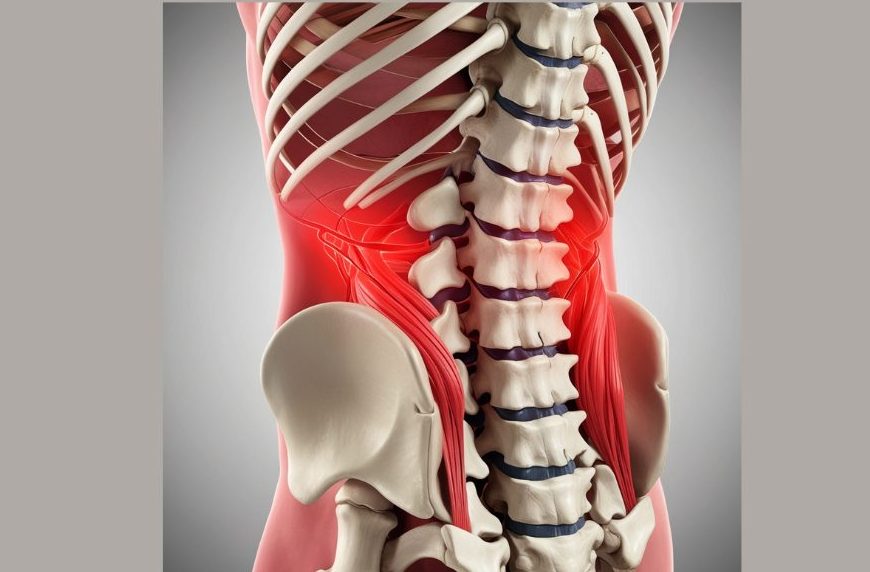
Lower back pain is a common condition characterized by discomfort or stiffness in the lumbar region, ranging from mild aches to severe, debilitating pain. It often arises from muscle strain, poor posture, injuries, or degenerative conditions like arthritis or herniated discs. This condition affects people of all ages, particularly adults ages 30 to 50, and is a leading cause of liability worldwide. It can be classified as acute (short-term), subacute, or chronic (long-term), with most acute cases resolved with rest and care, while chronic pain may require ongoing treatment. Prevention through proper posture, regular exercise, weight management, and ergonomic adjustments is key. Although most cases are not serious, severe or persistent pain may indicate underlying issues and should be evaluated by a healthcare professional.
Symptoms
- Localized pain: Aching or stabbing pain in the lower back.
- Radiating pain: Discomfort spreading to the hips, buttocks, or legs.
- Stiffness: Difficulty in bending, twisting, or standing up straight.
- Muscle spasms: Tightening of back muscles.
- Chronic Pain: Persistent pain lasting over 3 months.
Causes
- Muscle strain: Lifting heavy objects or sudden movements.
- Herniated discs: Nerve compression from disc issues.
- Arthritis: Degenerative joint or spine conditions.
- Poor posture: Slouching or improper sitting.
- Sedentary lifestyle: Weak back and core muscles.
Prevention
- Maintain posture: Keep your spine neutral while sitting, standing, or lifting.
- Regular exercise: Strengthen core and back muscles.
- Weight management: Avoid added strain on the spine.
- Ergonomics: Use supportive chairs and proper workstation setup.
- Avoid prolonged sitting: Take breaks to stretch or move around.
Treatment
- Self-care: Rest, apply ice/heat, and avoid strenuous activities.
- Medication: Over-the-counter painkillers like ibuprofen or acetaminophen.
- Physical therapy: Stretching, strengthening exercises, and posture correction.
- Alternative therapies: Chiropractic adjustments, acupuncture, or massage.
- Medical interventions: Epidural injections, nerve blocks, or surgery (in severe cases).
People who might have Lower Back Pain
- Office Workers: Prolonged sitting or poor ergonomics.
- Manual Laborers: Repetitive lifting or bending.
- Athletes: Strains from overuse or improper techniques.
- Older Adults: Age-related spine degeneration.
- Pregnant Women: Extra strain from weight gain and posture changes.
- Overweight individuals: Increased load on the spine.
Key Point
Most cases of lower back pain improve with self-care measures such as rest, stretching, and over-the-counter medications. However, chronic or severe pain should be evaluated by a medical professional to identify underlying causes and prevent further complications. Prevention plays a vital role and includes strengthening core and back muscles, maintaining good posture, staying active, and adopting healthy habits. Early intervention for persistent pain is essential to avoid long-term issues and promote better outcomes..