
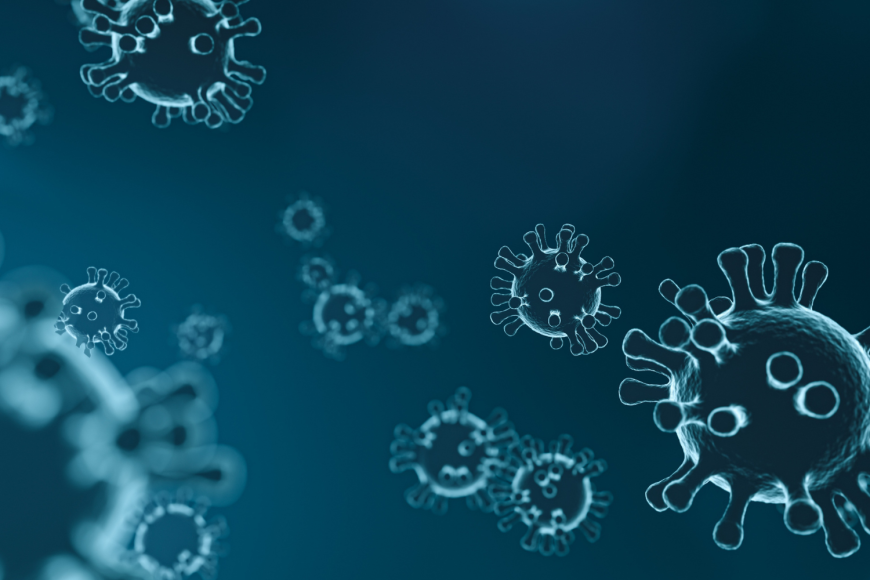
COVID-19 primarily spreads through respiratory droplets from coughs, sneezes, or talking. It can also be transmitted by touching surfaces contaminated with the virus and then touching the face. The disease affects the respiratory system but can also impact other organs and systems.
Symptoms
COVID-19 is a viral infection that primarily affects the respiratory system and can lead to a range of symptoms. It symptoms of COVID-19 include:
- Common Symptoms: Fever, cough, and shortness of breath.
- Other Symptoms: Fatigue, muscle aches, sore throat, loss of taste or smell, and headaches.
- Severe Symptoms: Difficulty breathing, chest pain, confusion, and bluish lips or face.
- Asymptomatic Cases: Some individuals may carry and spread the virus without showing symptoms.
Prevention
- Vaccination: Receiving COVID-19 vaccines to reduce risk and severity.
- Hygiene: Regular hand washing and use of hand sanitizers.
- Masks: Wearing masks in crowded or indoor settings.
- Social Distancing: Maintaining physical distance from others to reduce transmission.
- Testing and Isolation: Regularly testing, isolating those infected, and quarantining for exposed individuals.
Treatment
- Mild Cases: Manged with supportive care, rest, and hydration.
- Severe Cases: May require hospitalization, supplemental oxygen, and medications like antivirals (e.g., remdesivir) and corticosteroids (e.g., dexamethasone).
- Vaccination: Several vaccines have been developed and are used to prevent infection.
People more likely to get COVID-19 include:
- Unvaccinated Individuals: Those who have not received COVID-19 vaccines are at higher risk.
- People with Pre-existing Conditions: Such as heart disease, diabetes, obesity, or chronic respiratory conditions.
- Older Adults: Higher risk of severe illness and complications.
- Individuals with Weakened Immune Systems: Including those undergoing immunosuppressive treatment or with immune disorders.
- People in Congregate Settings: Such as long-term care facilities, correctional facilities, and crowded housing.
- Travelers and Individuals in High-Risk Areas: Those traveling to regions with high transmission rates.
Key Points
People more likely to get COVID-19 include unvaccinated individuals, those with pre-existing conditions, older adults, people with weakened immune systems, healthcare workers, and individuals in congregate settings or high-risk areas.