
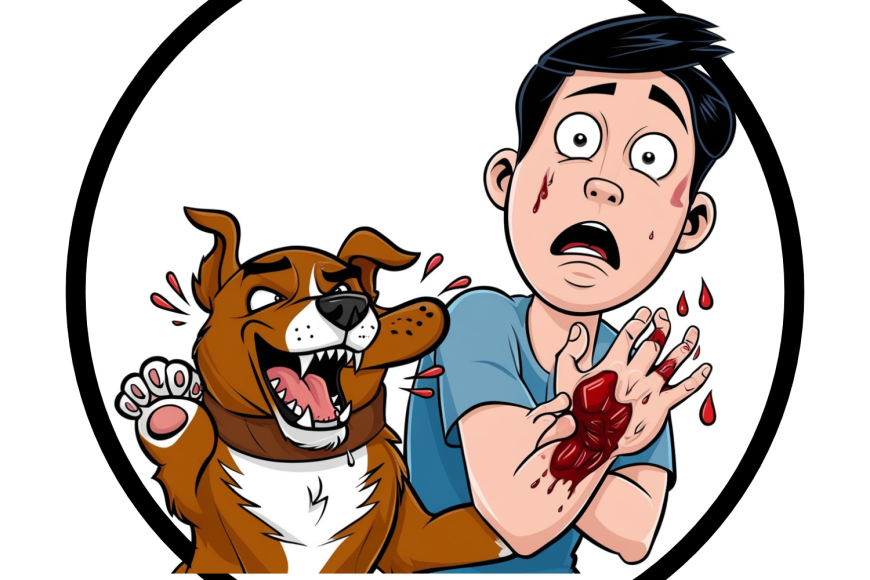
Animal bites can potentially transmit rabies, a viral infection caused by the rabies virus (Rabies virus). Rabies primarily affects mammals and is almost always fatal once symptoms appear. The virus is transmitted through saliva via bites or scratches from infected animals.
Symptoms
Rabies is a serious and potentially fatal viral infection transmitted through animal bites or scratches. The symptoms of Rabies are:
- Initial Symptoms: Fever, headache, and general weakness or discomfort.
- Progressive Symptoms: Anxiety, confusion, agitation, hallucinations, and difficulty swallowing.
- Advanced Symptoms: Paralysis, hydrophobia (fear of water), and eventually coma and death.
Prevention
- Vaccination: For pets and wildlife control to reduce rabies incidence.
- Avoiding Contact: Avoid contact with wild or stray animals and seek medical attention promptly after a bite or scratch.
- Pre-Exposure Vaccination: For individuals at high risk of exposure, such as veterinarians and travelers to endemic areas.
Treatment
- Post-Exposure Prophylaxis (PEP): A series of rabies vaccinations and, if needed, rabies immune globulin, administered immediately after exposure.
- Wound Care: Thorough cleaning of the bite wound with soap and water.
Key Points
Rabies is a critical and nearly universally fatal viral disease that targets the central nervous system. It is primarily transmitted through the saliva of infected animals via bites or scratches. Early symptoms can be flu-like, but as the disease progresses, it leads to severe neurological symptoms such as confusion, agitation, and hallucinations. Without prompt and appropriate medical treatment, rabies is almost always fatal once clinical symptoms appear.