
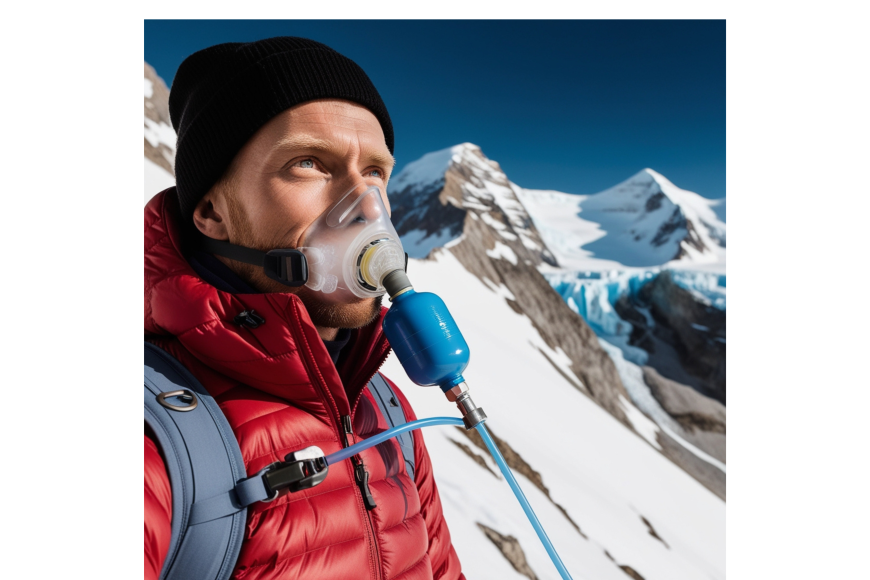
Acute Mountain Sickness (AMS) is a condition that occurs when individuals ascend to high altitudes too quickly, resulting in symptoms due to reduced oxygen levels and lower air pressure. It is common at altitudes above 2,500 meters (8,200 feet) but can lower elevations in some individuals.
Symptoms
Symptoms of AMS can vary in severity and typically manifest within a few hours today after ascent. Common symptoms include:
- Headache: Often the first symptom, ranging from mild to severe.
- Nausea and Vomiting: Gastrointestinal discomfort is common.
- Dizziness and Fatigue: General weakness and a feeling of unsteadiness.
- Insomnia: Difficulty sleeping due to discomfort and altered breathing.
- Loss of Appetite: Decreased interest in food.
Prevention
- Gradual Ascent: Ascend slowly, allowing at least 1-2 days for acclimatization at intermediate altitudes.
- Stay Hydrated: Drink plenty of fluids to stay hydrated.
- Limited Physical Exertion: Avoid strenuous activities during the first days at high altitudes.
- Consider Medication: Discuss preventive medications with a healthcare provider before high-altitude travel.
Treatment
- Descend to Lower Altitude: The most effective treatment is to move to a lower elevation as soon as symptoms are noted.
- Rest: Reducing physical activity helps the body recover.
- Hydration: Drinking plenty of fluids aids in recovery and prevents dehydration.
- Medications:
- Acetazolamide (Diamox): A medication that can help accelerate acclimatization and alleviate symptoms.
- Pain Relievers: Over-the-counter pain medications can help manage headaches.
People who may get Acute Mountain Sickness are:
- Rapid Ascent Travelers: Mountain climbers, hikers, and skiers who ascend quickly without acclimatization.
- Individuals with Pre-existing Conditions: Those with respiratory issues (like asthma or COPD) or cardiovascular diseases may be at higher risk.
- Inexperienced Travelers: First-time visitors to high altitudes may not be prepared for the effects.
- Older Adults: They may acclimatize more slowly due to decreased physiological reserves.
- Athletes: Those engaging in high-intensity activities at altitude without proper acclimatization may develop symptoms.
Key Points
Acute Mountain Sickness (AMS) occurs from rapid ascent to high altitudes, causing symptoms like headaches, nausea, and fatigue due to low oxygen levels. At-risk groups include rapid ascenders, individuals with pre-existing conditions, inexperienced travelers, and older adults. Treatment involves descending to a lower altitude, rest, hydration, and medications.