
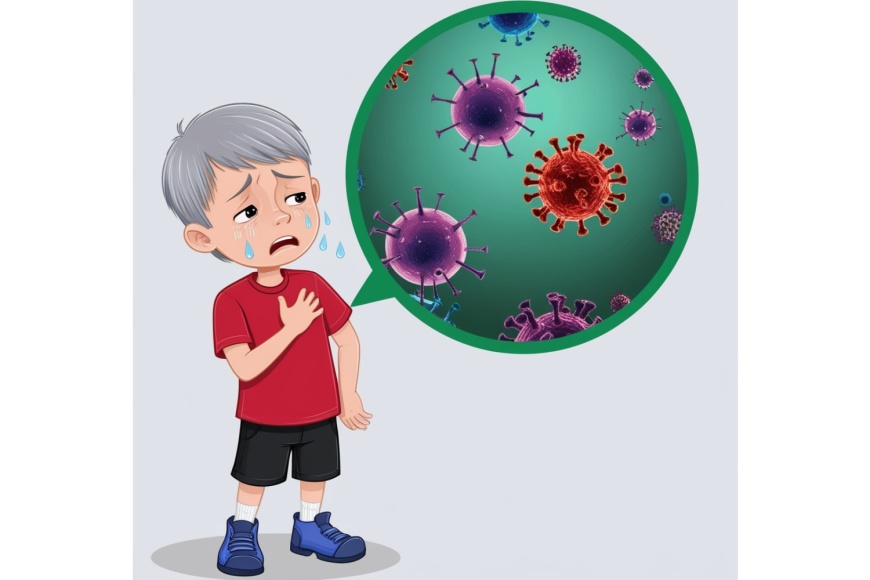
Cholera is characterized by severe, watery diarrhea and dehydration. The infection can lead to rapid loss of fluids and electrolytes, potentially causing severe dehydration and even death if not treated promptly. Symptoms usually begin 2 to 3 days after exposure and can range from mild to severe. In severe cases, it can cause shock, kidney failure, and death.
Symptoms
The symptoms of cholera typically appear within a few hours to five days after exposure to the bacteria. This includes:
- Severe Diarrhea: Watery stools, often described as “rice-water” stools, are a hallmark of cholera.
- Vomiting: Frequent vomiting can accompany diarrhea, contributing to dehydration.
- Dehydration: Symptoms include dry mouth, extreme thirst, decreased urine output, and sunken eyes.
- Muscle Cramps: Resulting from loss of electrolytes.
- Rapid Heart Rate: A fast heartbeat can occur as the body tries to compensate for losing fluids and electrolytes.
- Confusion or Irritability: In severe cases, losing fluids and electrolytes can affect mental status, leading to confusion or irritability.
Prevention
- Safe Water: Ensure access to clean potable water. Boil, filter, or treat water with chlorine or iodine to kill harmful bacteria.
- Good Hygiene Practices: Regularly wash hands with soap and clean water, especially before eating, preparing food, or after using the toilet.
- Sanitation: Improve sanitation facilities to prevent contamination of water sources. Properly dispose of human waste and avoid open defecation.
- Food Safety: Cook food thoroughly and avoid consuming raw or undercooked seafood, meat, or street food. Ensure food is prepared with clean utensils and in hygienic conditions.
- Vaccination: In some areas, cholera vaccines are available and recommended for those traveling to or living in high-risk areas. Vaccination can provide temporary protection and reduce the severity of the disease.
Cholera is a preventable and treatable disease, but it requires prompt action to prevent severe outcomes and spread.
Treatment:
- Rehydration: Oral rehydration solutions (ORS) to replace lost fluids and electrolytes.
- Antibiotics: Used in severe cases to shorten the duration of symptoms and reduce the spread of the bacteria.
- Intravenous Fluids: May be needed for severe dehydration.
People more likely to get Cholera include:
- Residents of Endemic Areas: Individuals living in regions with poor sanitation and inadequate access to clean water, often in parts of African, Asia, and Latin America.
- Travelers: Those visiting areas with ongoing cholera outbreaks or poor sanitation.
- Low-Income Communities: Populations with limited access to clean water and sanitation facilities.
- Emergency Relief Workers: Individuals working in disaster-stricken areas where sanitation infrastructure may be compromised.
- Refugees and Displaced Persons: People in overcrowded conditions with limited access to sage water and hygiene.
Key Points
People more likely to get cholera include residents of areas with poor sanitation, travelers to endemic regions, low-income communities with limited access to clean water, emergency relief workers, and refugees in overcrowded conditions.