
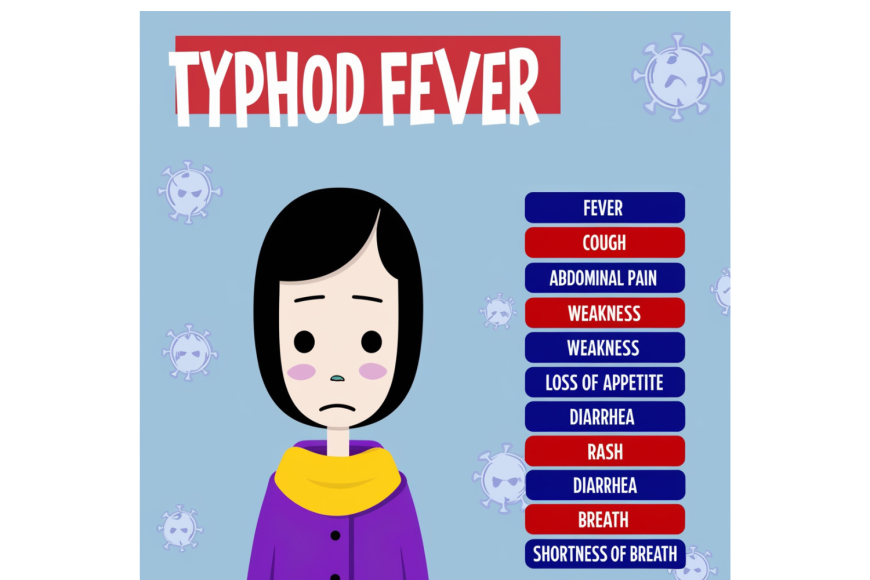
Typhoid fever is a serious and potentially life-threatening illness caused by the bacterium Salmonella enterica serotype Typhi. The disease is primarily transmitted through the ingestion of food or water contaminated with fecal matter from an infected person. This mode of transmission makes typhoid fever more prevalent in regions where sanitation and hygiene practices are inadequate.
Symptoms
The symptoms of typhoid fever typically develop gradually and can vary in intensity. Common symptoms include:
- Fever: One of the hallmark symptoms, the fever often starts as a low-grade fever but can escalate to high temperatures (up to 104°F or 40°C) as the illness progresses.
- Abdominal Pain: This is usually located in the lower abdomen and can range from mid discomfort to severe pain.
- Weakness and Fatigue: Persistent tiredness and a general feeling of being unwell are common.
- Loss of Appetite: Reduced interest in food, which can contribute to weight loss and overall weakness.
- Rash: A characteristic rash, known as rose spots, may appear on the abdomen and chest. These are small, flat, rose-colored spots.
- Diarrhea or Constipation: Symptoms can vary; children are more likely to experience diarrhea while adults may suffer from constipation.
- Enlarged Spleen and Liver: Physical examination might reveal enlargement of these organs, indicating the systemic nature of the infection.
Prevention
- Vaccination: Typhoid vaccines are available and recommended for travelers to areas where typhoid fever is common. Two types of vaccines are available: the inactivated (killed) vaccine and the live attenuated oral vaccine.
- Good Hygiene: Practicing thorough had washing with soap and clean water can significantly reduce the risk of infection.
- Safe Food and Water: Avoiding consumption of potentially contaminated food and water. Boiling water and ensuring food in thoroughly cooked can help preven infection.
Treatment
- Antibiotics: Effective treatment usually involves a course of antibiotics. The choice of antibiotic depends on local resistance patterns and patient factors. Commonly used antibiotics include ciprofloxacin, azithromycin, and ceftriaxone.
- Hydration: Ensuring adequate fluid intake is crucial, especially if the patient is experiencing diarrhea or has a high fever.
People who are more likely to get Typhoid Fever
- Travelers to Endemic Areas: People visiting regions with high rates of typhoid fever particulary parts of Africa, Asia and Latin America, are more susceptible.
- Resident of High-Rish Areas: Individuals living in areas with poor sanitation, inadequate water treatment, and crowded conditions are at greater risk.
- People with Poor Hygiene and Sanitation: Those who do no have access to clean water or proper sanitation facilities are more likely to encounter the bacteria.
- Young Children and Elderly: Both young children and the eldery may have weaker immune systems or less effective immune responses, making them more vulnerable.
- People with Weakened Immune Systems: Individuals with conditions that compromise their immune systems, such as HIV/AIDS, cancer, or those undergoing immunosuppressive treatments, are at increased risks.
- Food Handlers and Health Workers: Those who handl efood or work in healthcare settings where typhoid fever is present may jave a higher risk of exposure and transmission.
- Individuals with Chronic Illnesses: Those with illnesses that affect their overall helath or immune response are at higher risk.
- Previous Typhoid Fever Survivors: Individuals who have had typhoid fever previously but did not complete their treatment or have become carriers of Salmonella Typhi may be at risk of reinfection or transmission.
Key Points
People more likely to get typhoid fever include travelers to high-risk areas, residents of regions with poor sanitation, young children, the elderly, individuals with weakened immune systems, food handlers, and those with chronic illensses or incomplete previous treatment.